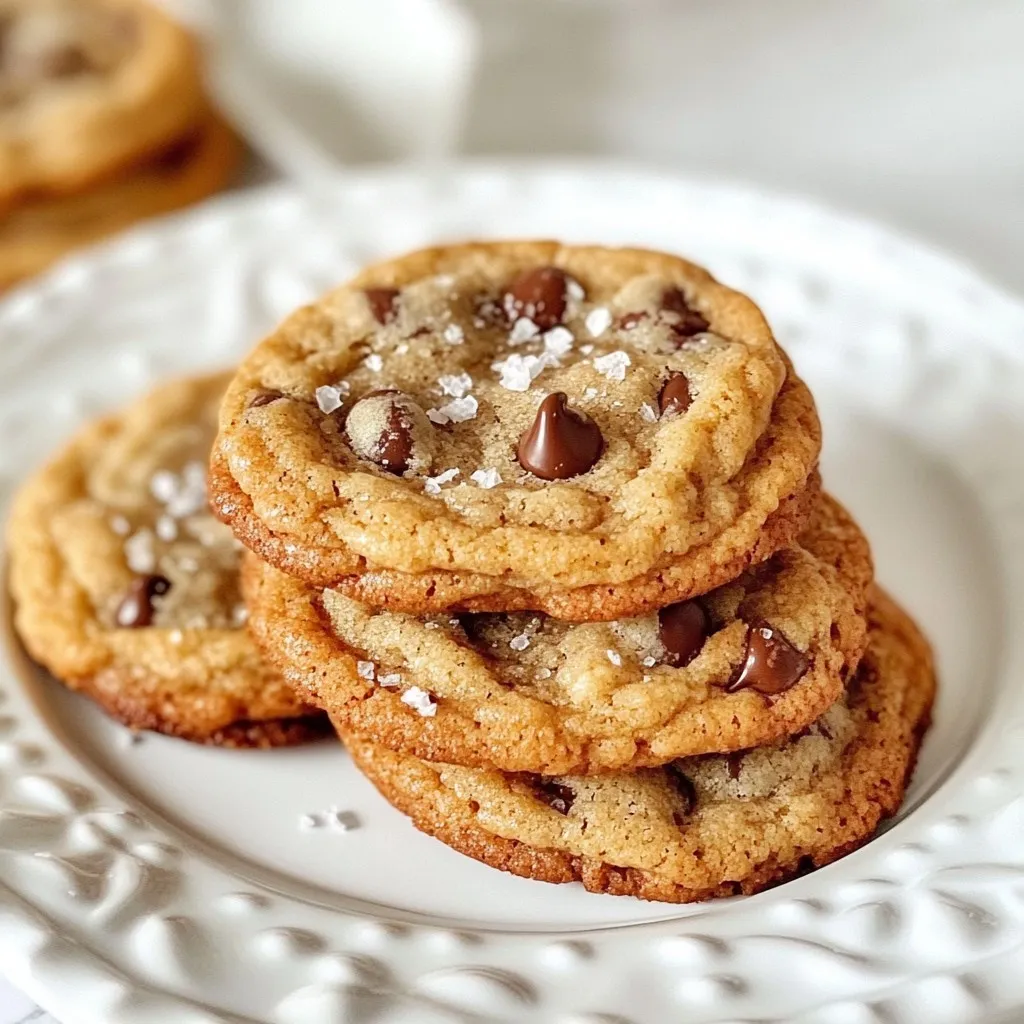
Are you ready to bake the ultimate chewy chocolate chip cookies? This easy recipe guarantees soft, gooey cookies that everyone will love! I’ll guide you through simple steps, share tips for that perfect chewy texture, and even suggest alternatives for common allergens. Whether you’re a baking pro or just starting out, you’ll be able to impress friends and family in no time. Let’s get baking some delicious cookies!
Why I Love This Recipe
- Chewy Texture: These cookies have the perfect balance of a soft and chewy interior, making each bite delightful.
- Rich Flavor: The combination of brown sugar and vanilla creates a deep, rich flavor that pairs wonderfully with chocolate.
- Customizable: You can easily add your favorite nuts or swap out chocolate for other mix-ins, making them versatile.
- Quick to Make: With just 30 minutes from start to finish, you can have warm, fresh cookies ready in no time.
Ingredients
Detailed list of ingredients
– 2 1/4 cups all-purpose flour
– 1 teaspoon baking soda
– 1 teaspoon salt
– 3/4 cup unsalted butter, softened
– 1 cup brown sugar, packed
– 1/2 cup granulated sugar
– 1 tablespoon vanilla extract
– 2 large eggs
– 2 cups semi-sweet chocolate chips
– 1/2 cup chopped nuts (optional, walnuts or pecans)
Importance of each ingredient
Each ingredient plays a key role in making your cookies chewy and tasty.
– All-purpose flour gives structure. It holds the cookies together.
– Baking soda helps cookies rise. This makes them soft and fluffy.
– Salt enhances flavor. It balances the sweetness.
– Unsalted butter adds richness. Softened butter makes mixing easy and gives a tender crumb.
– Brown sugar adds moisture and a deep flavor. It makes cookies chewy.
– Granulated sugar helps with browning. It creates a nice texture.
– Vanilla extract adds warmth and depth. It makes cookies smell great.
– Eggs provide moisture and help bind the dough. They add richness too.
– Semi-sweet chocolate chips are the stars. They make every bite sweet and chocolatey.
– Chopped nuts (if used) add crunch. They give extra flavor and texture.
Substitutions for common allergens
If you have allergies, you can still enjoy these cookies.
– Gluten-free: Use a gluten-free flour blend. Make sure it has xanthan gum for structure.
– Dairy-free: Replace butter with coconut oil or a dairy-free butter substitute.
– Egg-free: Use flaxseed meal or applesauce instead of eggs. Mix 1 tablespoon of flaxseed with 2.5 tablespoons of water for each egg.
– Nut-free: Skip the nuts or use seeds like sunflower seeds for crunch.
These swaps let everyone enjoy these chewy chocolate chip cookies!
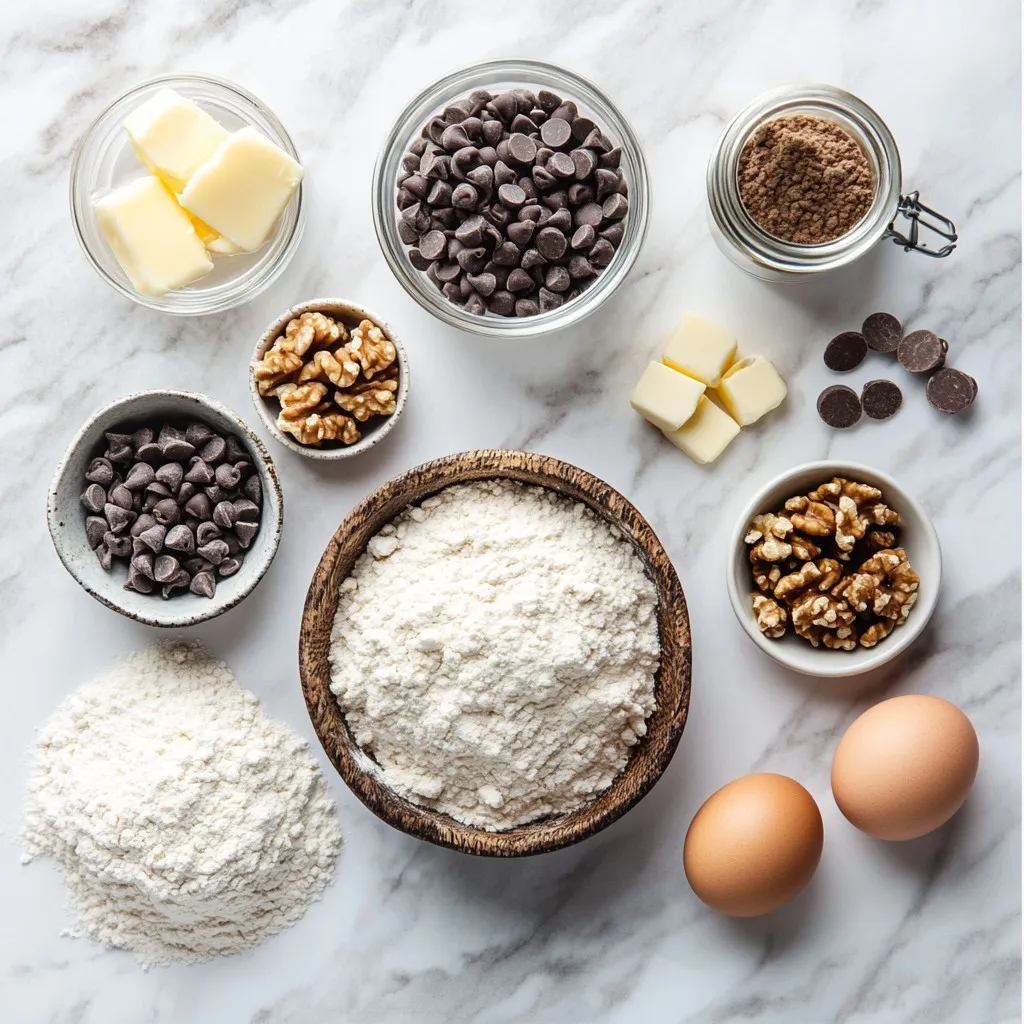
Step-by-Step Instructions
Preheat the oven and prepare baking sheets
Start by preheating your oven to 350°F (175°C). This step is key for even baking. While the oven warms up, grab two baking sheets. Line them with parchment paper. This helps prevent sticking and makes clean-up easier.
Mixing dry and wet ingredients
In a medium bowl, whisk together the flour, baking soda, and salt. This mix is your dry ingredients. Set it aside for now. In a large bowl, cream the softened butter with the brown and granulated sugars. Use an electric mixer at medium speed. Mix until light and fluffy, which takes about 2-3 minutes. Next, add the vanilla extract. Then, add the eggs one at a time. Mix well after each egg. Now, gradually add the dry mix to the wet mix. Use low speed to combine. Avoid over-mixing; you want a nice dough.
Forming and baking the cookie dough
Take tablespoons of dough and roll them into small balls. Place each ball on the prepared baking sheets. Make sure to leave about 2 inches between each cookie. This space helps them spread nicely. Bake your cookies for 10-12 minutes. Look for golden edges and slightly soft centers. They will firm up as they cool. After baking, let them cool on the sheets for 5 minutes. Then, move them to wire racks to cool completely. Enjoy these cookies with cold milk for a perfect treat!
Tips & Tricks
Tips for achieving the perfect chewy texture
To get that chewy bite, use brown sugar. It holds moisture well. Mix your butter until it’s light and fluffy. This adds air and helps cookies rise. Avoid over-mixing the dough after adding flour. Just combine it until you see no dry spots. Also, bake until the edges are golden. The centers should look soft. They will firm up as they cool.
Common mistakes to avoid when baking cookies
One big mistake is not measuring flour correctly. Too much flour can make cookies dry. Use a scale for accuracy. Another mistake is baking cookies too long. Keep an eye on them near the end of baking. If you open the oven too often, you can lose heat. Finally, don’t skip the cooling time. Let cookies cool on the sheet for five minutes. This helps them set.
How to store cookies for maximum freshness
Store cookies in an airtight container. This keeps them soft and chewy. You can separate layers with parchment paper, too. If you want them to last longer, freeze them. Just wrap each cookie in plastic wrap. Place the wrapped cookies in a freezer bag. When you want one, let it thaw at room temperature. Enjoy fresh cookies any time!
Pro Tips
- Chill the Dough: For an even chewier texture, refrigerate the cookie dough for at least 30 minutes before baking. This helps the flavors meld and prevents spreading.
- Use Quality Chocolate: Opt for high-quality semi-sweet chocolate chips for a richer flavor. You can also mix in dark chocolate chips for added depth.
- Don’t Overbake: Remove the cookies from the oven when the edges are golden but the centers look slightly underbaked. They will continue to cook on the baking sheet as they cool.
- Experiment with Mix-Ins: Feel free to add different mix-ins like dried fruits, coconut flakes, or white chocolate chips for a unique twist on the classic cookie!
Variations
Alternative add-ins (nuts, dried fruit, etc.)
You can change up your cookies by adding nuts or dried fruit. Walnuts or pecans work well. They add crunch and a nutty taste. Dried cranberries or raisins add sweetness and chewiness. Mix in about 1/2 cup of your choice. This makes your cookies more fun and tasty!
Flavor variations (chocolate mint, sea salt)
Want a twist on your cookies? Try flavor variations! Add a few drops of mint extract for a chocolate mint cookie. It gives a fresh taste. You can also sprinkle sea salt on top before baking. This brings out the chocolate flavor and adds a nice contrast. These little changes can wow your friends and family.
Healthier cookie options (reduced sugar, whole wheat)
If you want a healthier cookie, you can reduce the sugar. Try using 1/2 cup of brown sugar and 1/4 cup of granulated sugar. You can also swap all-purpose flour for whole wheat flour. This adds fiber and nutrients. Your cookies will still taste great, but they’ll be a bit healthier!
Storage Info
Best practices for storing cookies
To keep your cookies fresh, store them in an airtight container. Use wax paper or parchment paper between layers. This keeps them from sticking together. A cool, dry place works best. If you have a lot of cookies, consider separating them by type. This will help you enjoy each one at its best.
How to freeze cookie dough for future baking
Freezing cookie dough is simple and fun. First, scoop the dough into tablespoon-sized balls. Place them on a baking sheet and freeze until solid. This usually takes about an hour. Then, transfer the frozen dough balls to a freezer-safe bag. Label the bag with the date and type of cookie. When you want cookies, just bake them straight from the freezer. Add a couple of extra minutes to the baking time.
Shelf life of baked cookies
Baked cookies can last in an airtight container for about one week at room temperature. If you want them to last longer, store them in the fridge for up to two weeks. For even more freshness, freeze baked cookies. They can last for up to three months in the freezer. When you’re ready to enjoy them, just thaw them at room temperature.
FAQs
What makes cookies chewy instead of crispy?
Cookies become chewy due to the right balance of ingredients. The brown sugar adds moisture and keeps cookies soft. Eggs also add structure and help with chewiness. Using melted butter creates a denser texture. When you bake at a lower temperature, it allows cookies to set slowly, which helps maintain that chewy bite. Overmixing the dough can lead to a tougher cookie, so mix just until combined.
Can I chill the dough before baking?
Yes, you can chill the dough. Chilling the dough helps the cookies hold their shape while baking. It also allows the flavors to blend better. If you chill the dough for at least 30 minutes, you will get thicker cookies. If you have time, chilling overnight is even better. This will enhance the flavor and texture.
How do I prevent cookies from spreading too much?
To stop cookies from spreading too much, start with cold dough. If the dough is too warm, cookies will spread. You can also add a bit more flour to the dough. Make sure your baking sheets are not too hot. Use parchment paper or a silicone mat to help cookies hold their shape. Lastly, be careful not to overmix your dough, as mixing too much can cause spreading.
In this post, we covered all the key points for baking perfect cookies. We explored important ingredients, their roles, and alternatives for allergens. You learned step-by-step instructions and helpful tips for texture and storage. We also discussed fun variations to try and answers to common questions.
Baking cookies can be fun and rewarding. With practice, you can create delicious treats everyone will love. Enjoy your baking adventur